Effective Estuary Restoration Virtual Workshop Series
Exploring the design, methods, and monitoring of estuary restoration along the U.S. West Coast in the context of a changing climate.
2026 Symposium
May 20 & 21, 2026 – 9AM to noon
Restoring ecological functions for multi-species benefits
&
Jump-starting process-based restoration
This will be the 4th of PMEP’s symposiums exploring West Coast estuary restoration guidance and tools for restoration practitioners. This 2-day symposium will be held on consecutive mornings and will feature:
- Guidance on integrating multiple species benefits into your projects
- New research on estuary restoration and beavers and birds, oh my!
- Process-based design guidance for estuary restoration
- Restoring unique habitats (swamps, anyone?)
- Case studies illustrating the practical examples from Washington, Oregon, and California
Find the agenda HERE
Feel free to attend both days or just one. There is no cost to attend but you must register to receive the symposium link.
REGISTER HERE FOR MAY 20 & 21 SYMPOSIUM
Symposium Speakers
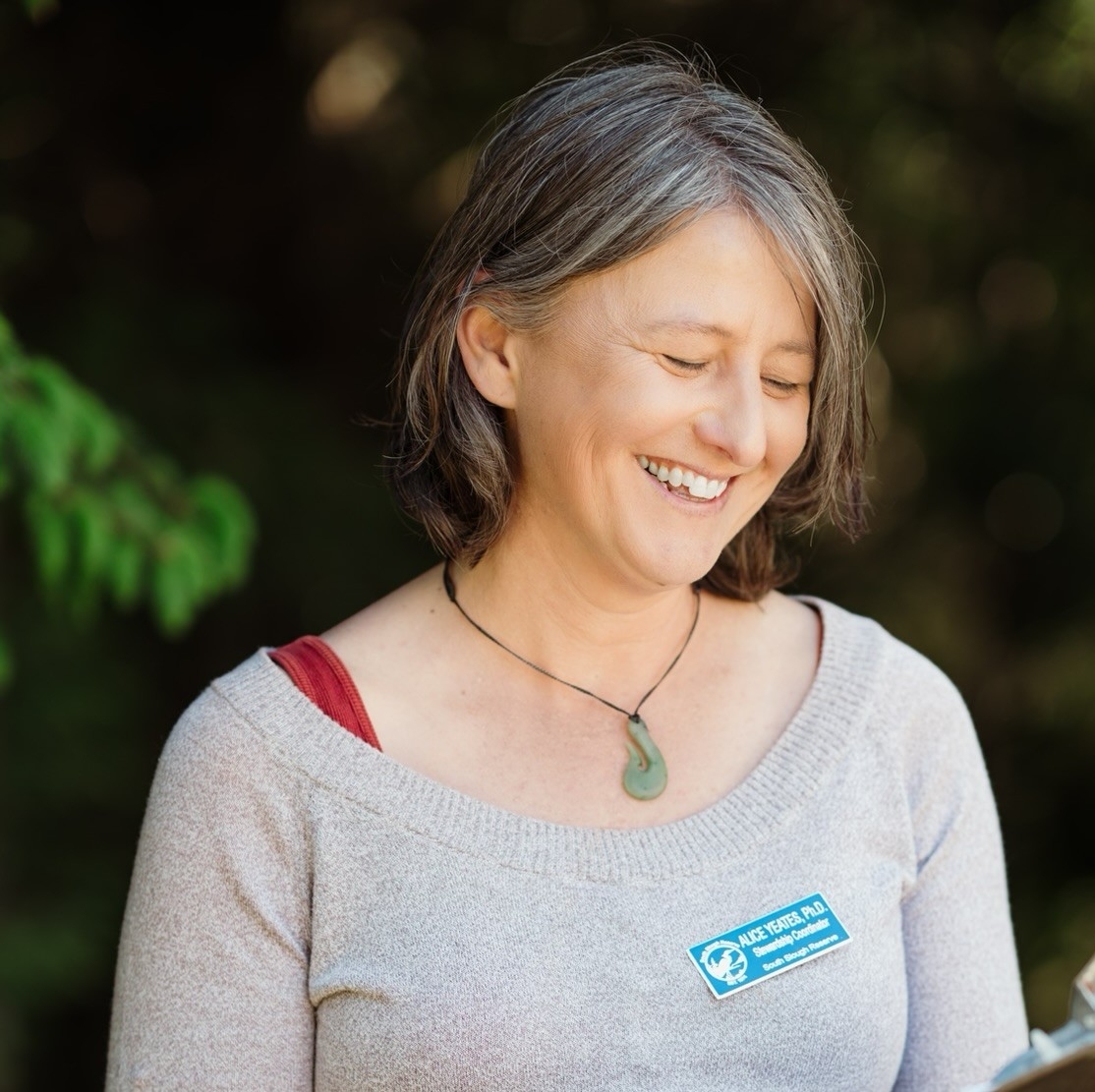
Alice Yaetes
South Slough National Estuarine Research Reserve
Alice Yeates has been the Stewardship Coordinator at the South Slough Reserve since 2019. Alice grew up on Australia’s east coast and her passion for the natural world and a curious mind has led her to experience many different ecological systems, including tropical, sub-tropical and temperate forests; fossilized and modern coral reefs; and coastal wetlands. In her role as Stewardship Coordinator Alice values co-stewardship and working with the Tribes to plan and implement restoration projects, manage upland habitats, and promote endangered and culturally important species.
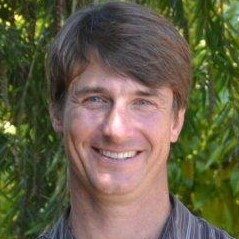
Bryan Largay
Land Trust of Santa Cruz
Bryan has worked in conservation science and management for 30 years, mostly in the Monterey Bay region. As Conservation Director for the Land Trust of Santa Cruz County since 2012, his work is often at the intersection of biodiversity conservation, sustainable working lands, and public access to nature. He collaborates extensively, incorporating many perspectives to develop robust solutions benefitting environment and community. Previously, Bryan led the Tidal Wetland Program at the Elkhorn Slough Reserve, ran a small consulting firm, and worked at the Resource Conservation Districts of Santa Cruz and Monterey Counties.
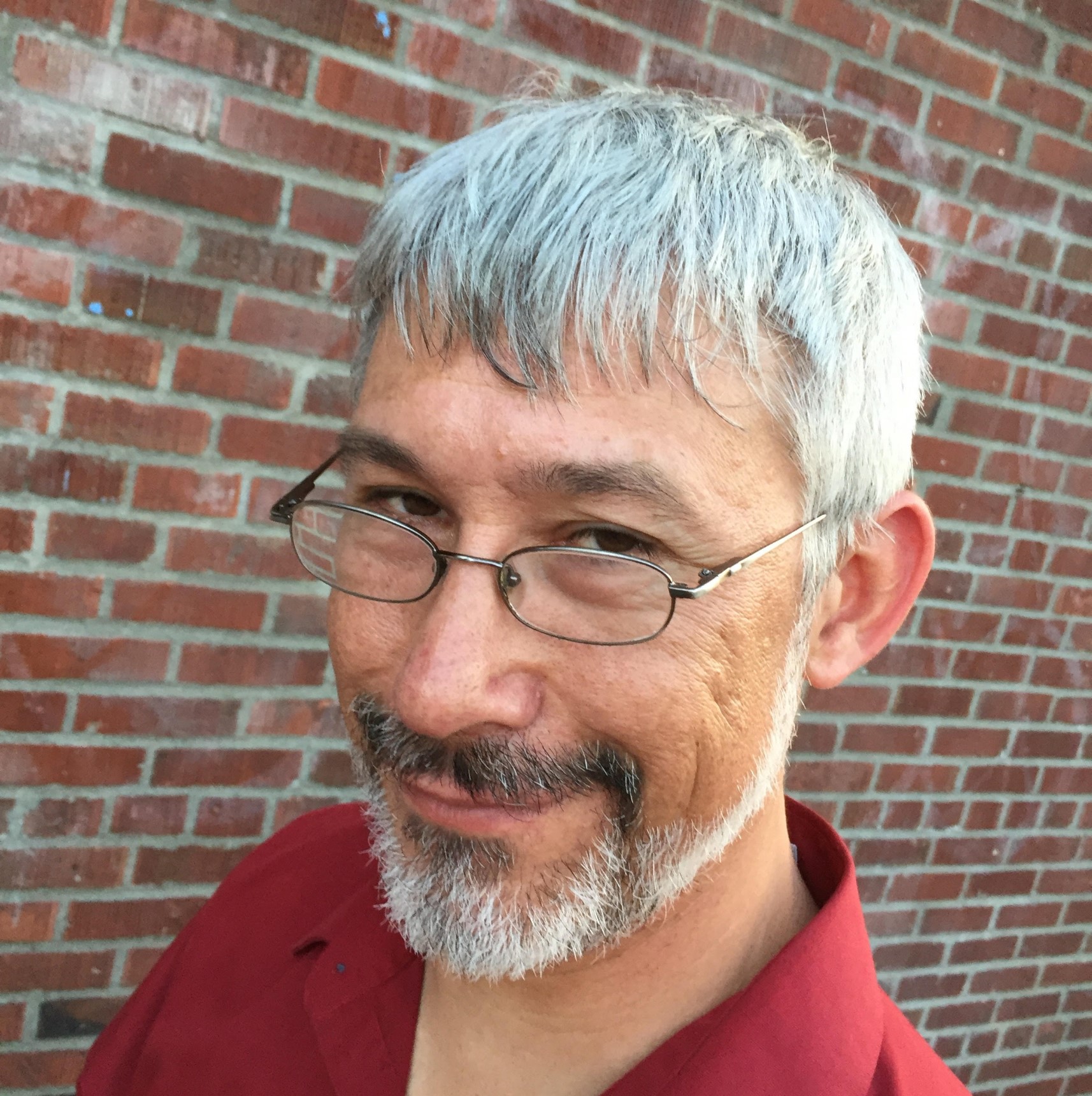
Correigh Greene
Skagit River System Cooperative (SRSC)
Correigh Greene is a senior scientist with the Skagit River System Cooperative (SRSC), and has worked on PMEP's Science and Data Committee since its inception. Correigh spent the last 24 years studying Pacific salmon, forage fish, and other species and their use of estuary and nearshore environments. Previously at NOAA’s Northwest Fisheries Science Center, Correigh leads the study of the population responses of salmon to estuary restoration and continues a long-term collaboration to monitor fish populations in the Skagit Delta and Bay. As part of efforts to restore tidal wetlands, Correigh has also worked with restoration planners on designs that recover wetland functions for fishes that use tidal delta networks.
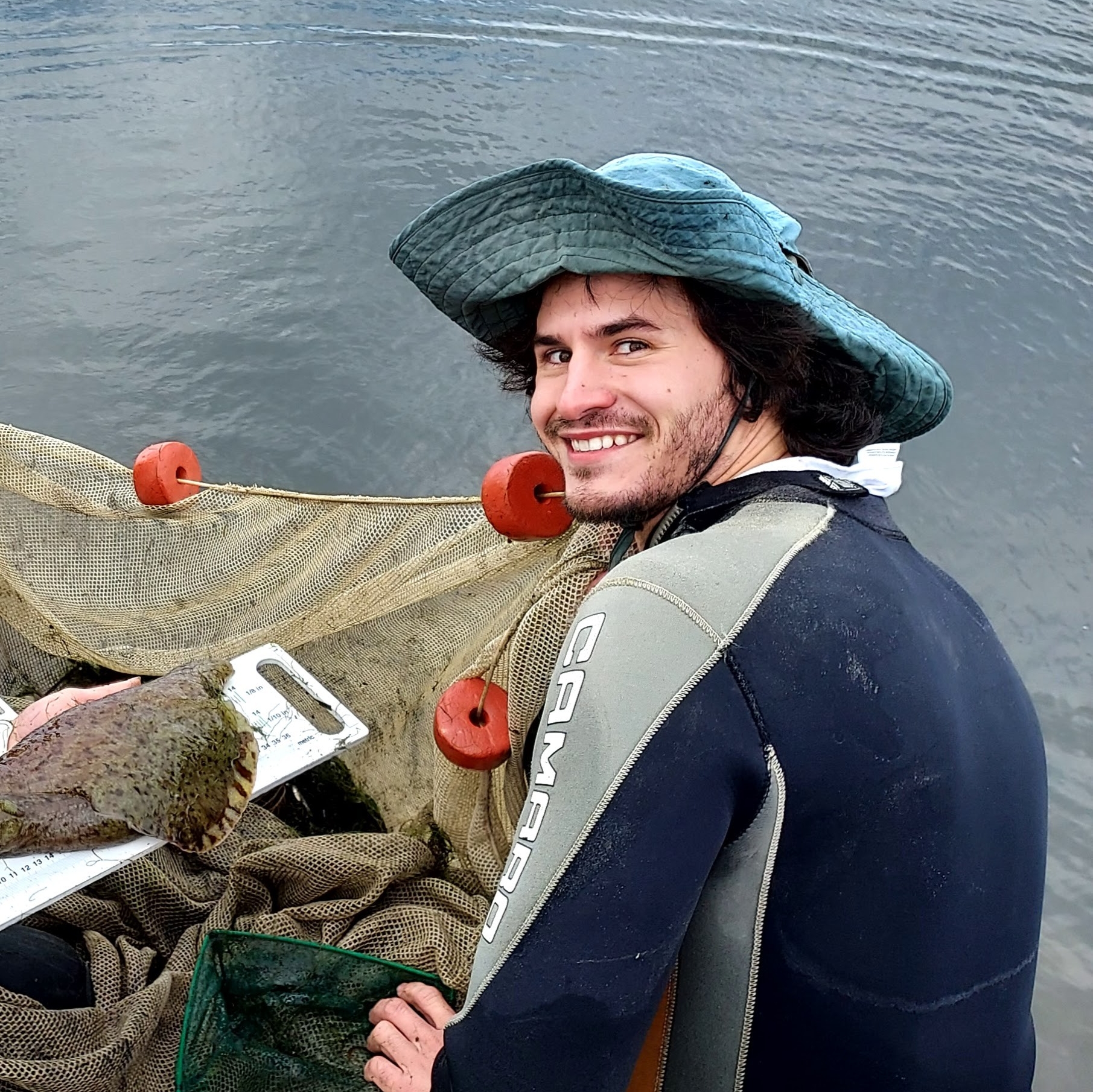
David Boehmer
WildCoast
David manages WILDCOAST’s restoration and monitoring programs for U.S. Wetlands projects, including salt marsh, dune, and coastal watershed ecosystems. His expertise includes restoration ecology, ornithology, blue carbon, and biostatistics. He leverages advanced computer modeling and GIS to manage biodiversity and conservation initiatives in San Diego and Mexico. B.S. Organismal Biology, California State University, Long Beach; M.S. Biological Sciences, California State University, Long Beach.
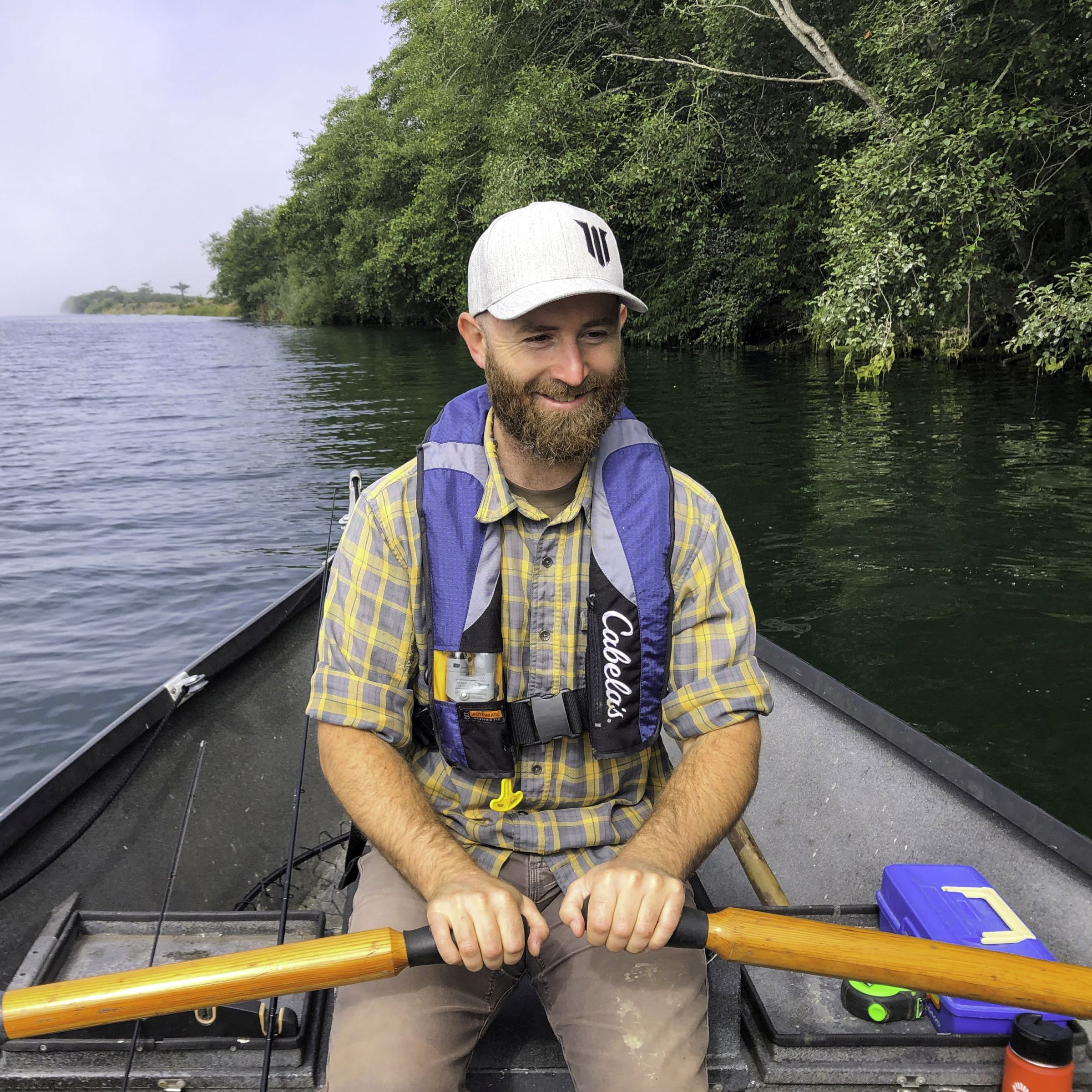
Dylan Caldwell
Stillwater Sciences
Dylan Caldwell is a geologist with expertise in fluvial and hillslope geomorphology, Quaternary geology, engineering and restoration geology, geologic and seismic hazards, slope stability, hydrology, sediment production and storage, erosion prevention, field implementation of technical equipment, and the countless ways these disciplines interface with aquatic, riparian, and upland ecosystems. His experience comes from over a decade of research and consulting throughout California and Oregon. Mr. Caldwell is a licensed Professional Geologist and Certified Engineering Geologist in California and Registered Geologist in Oregon.
Emily Howe
The Nature Conservancy
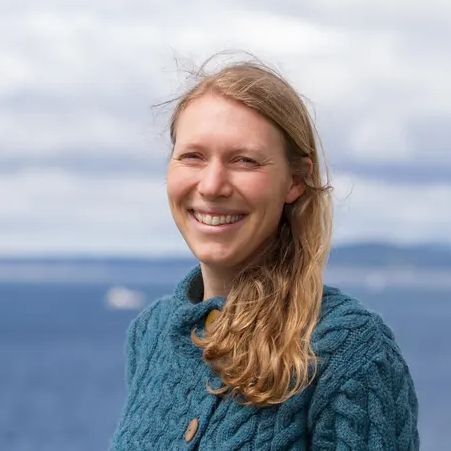
Emily Howe is a Senior Aquatic and Estuarine ecologist at The Nature Conservancy of Washington. Emily’s work integrates across ecosystem boundaries, investigating how landscape configuration and management shapes cross-boundary relationships for food webs, organisms, and ecosystem processes. She is currently working at the nexus of stormwater pollution, climate change in mountain ecosystems, freshwater, estuarine, and marine restoration ecology. She leads the science monitoring program in the Stillaguamish delta, tracking ecosystem responses to process-based restoration activities.
Greg Hood
Skagit River System Cooperative
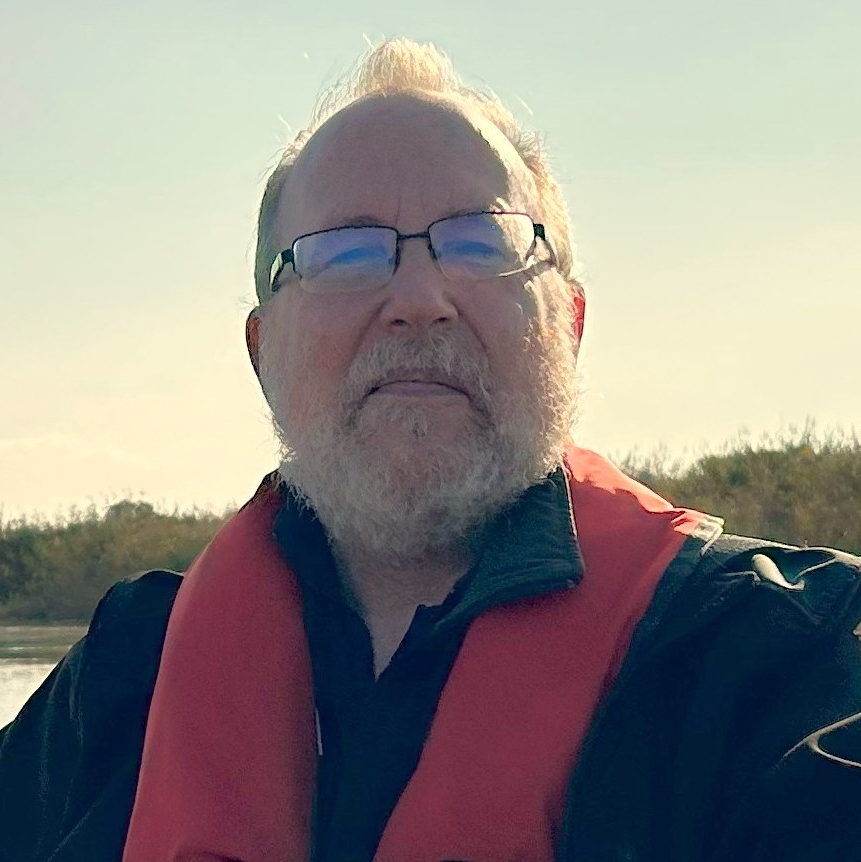
Dr. Hood is a senior research scientist for the Skagit River System Cooperative, an agency serving the Swinomish Indian Tribal Community and the Sauk-Suiattle Indian Tribe. His research focuses on geomorphology and ecology in tidal wetlands with application to recovery of threatened Chinook salmon and other estuarine fish, marsh vegetation, benthic invertebrates, and tidal beaver. He taught Landscape Ecology of Wetlands at the University of Washington, served as panel member on the Columbia River Expert Regional Technical Group on Estuary Habitat Actions, which advises on federal estuarine habitat actions for Chinook salmon recovery in the Columbia River Estuary and is a founding member of the Skagit Climate Science Consortium.
Jessica Cote
Blue Coast
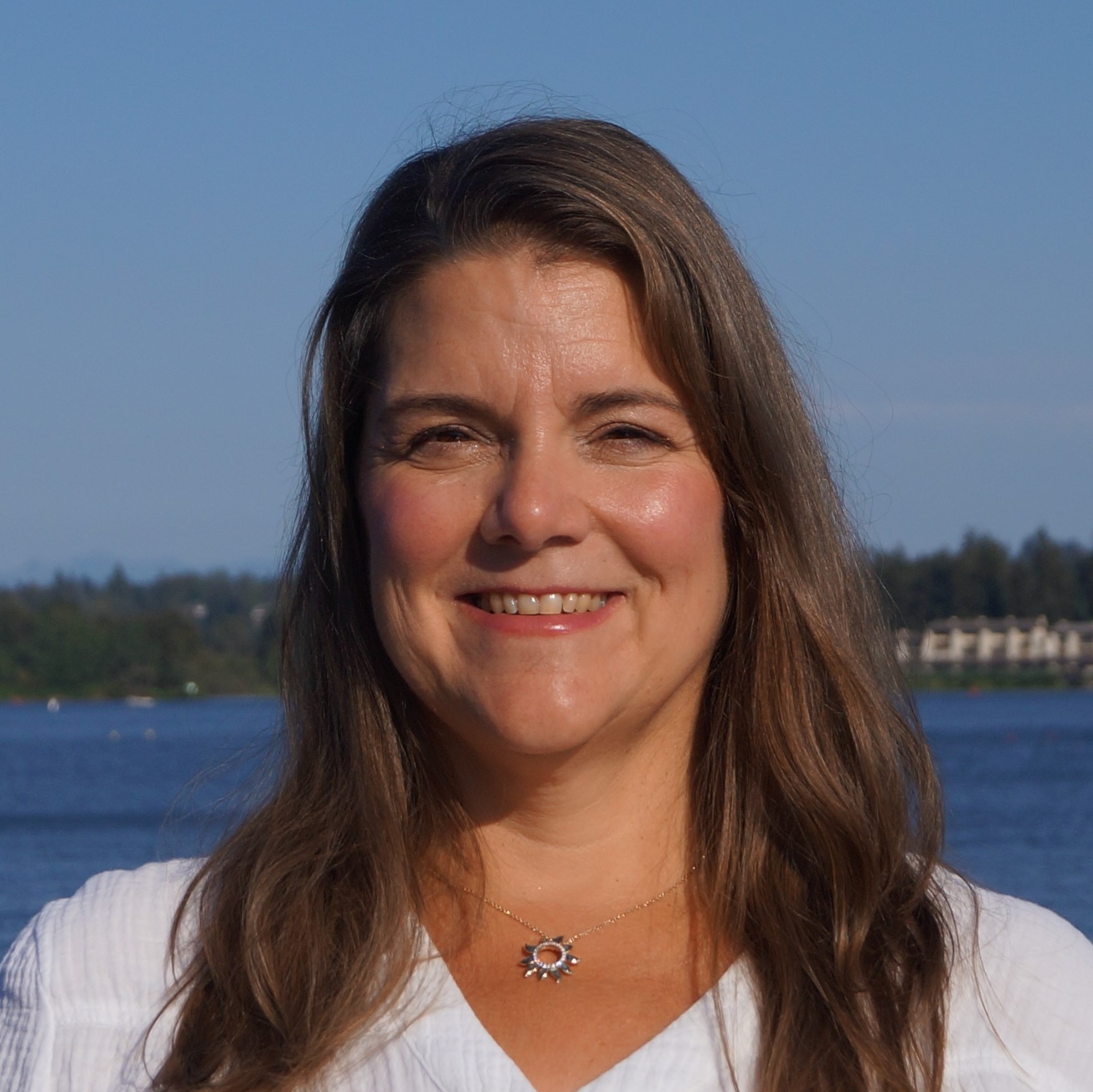
Jessica Cote, PE is the founder of Blue Coast Engineering and has 25 years of experience as a civil engineer leading feasibility studies, assessments, design, construction, and management of projects featuring nature-based solutions that maximize ecological benefits. She is a recognized expert in coastal geomorphology of the Salish Sea and teaches a multitude of courses and workshops in the region, including the Alternatives to Bulkheads series for the Coastal Training Program.
Kaysha Kenney
Orange County Coastkeeper
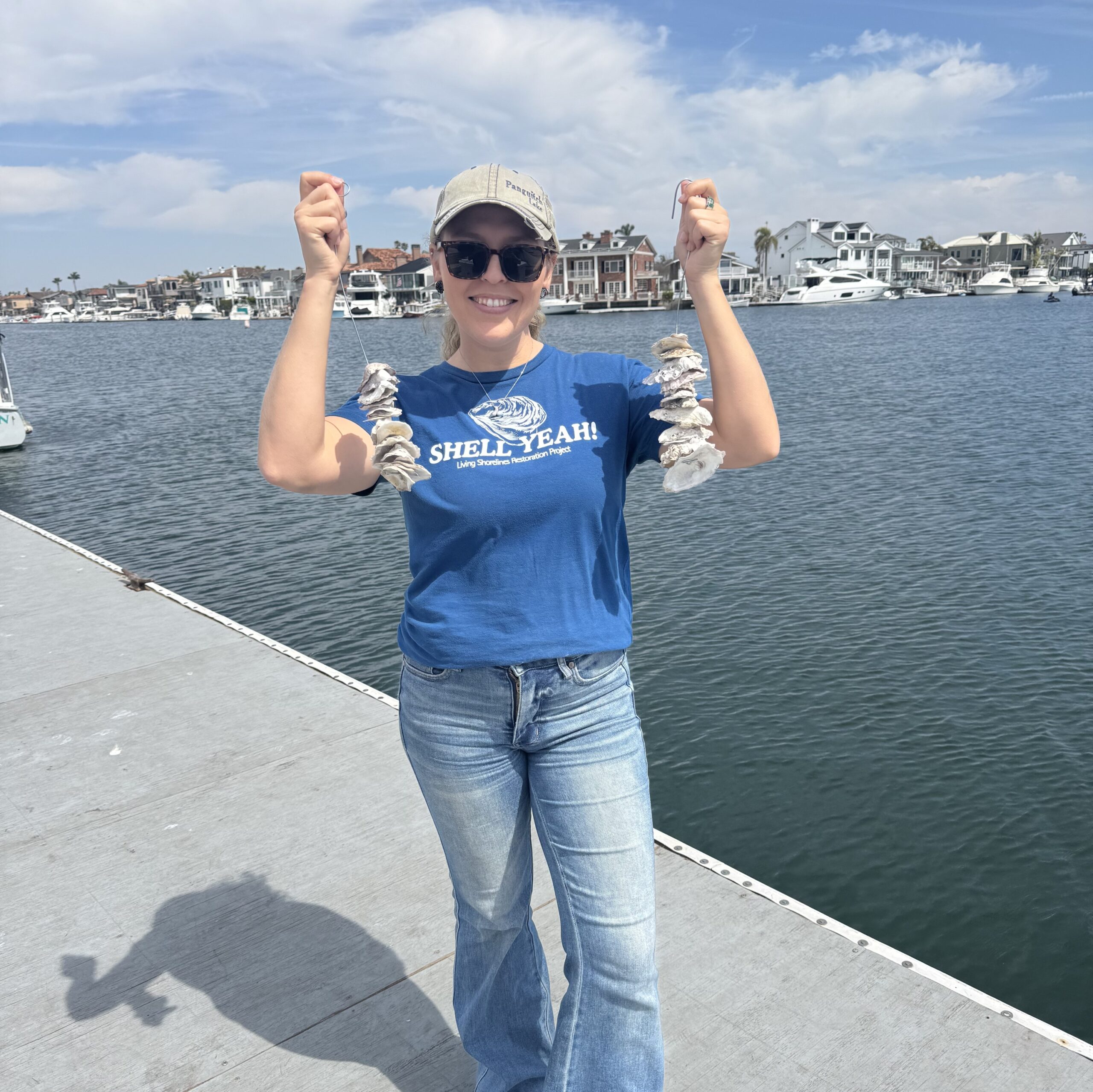
Kaysha Kenney is the Marine Restoration Director at OC Coastkeeper and leads the living shorelines restoration efforts, including supporting community outreach programs: Shell Strings - an oyster gardening initiative, and the Shells for Shorelines oyster shell recycling program. She combines research and community outreach to support coastal resilience and habitat restoration.
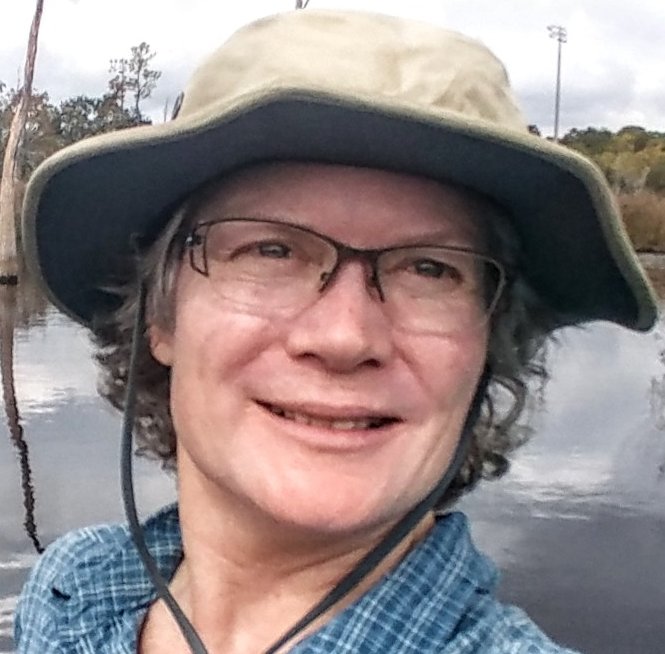
Laura Brophy
Institute for Applied Ecology
Laura Brophy directs the Estuary Technical Group at the Institute for Applied Ecology and serves as Courtesy Faculty for Oregon State University’s College of Earth, Ocean, and Atmospheric Sciences. Laura has led field studies in nearly all of Oregon's major estuaries, including monitoring at the state’s largest tidal wetland restoration projects. She and her colleagues have made exciting discoveries about tidal wetland characteristics and functions, which have led to her central role in producing improved maps of estuary habitats and improved quantification of tidal wetland functions like carbon sequestration and fish habitat.
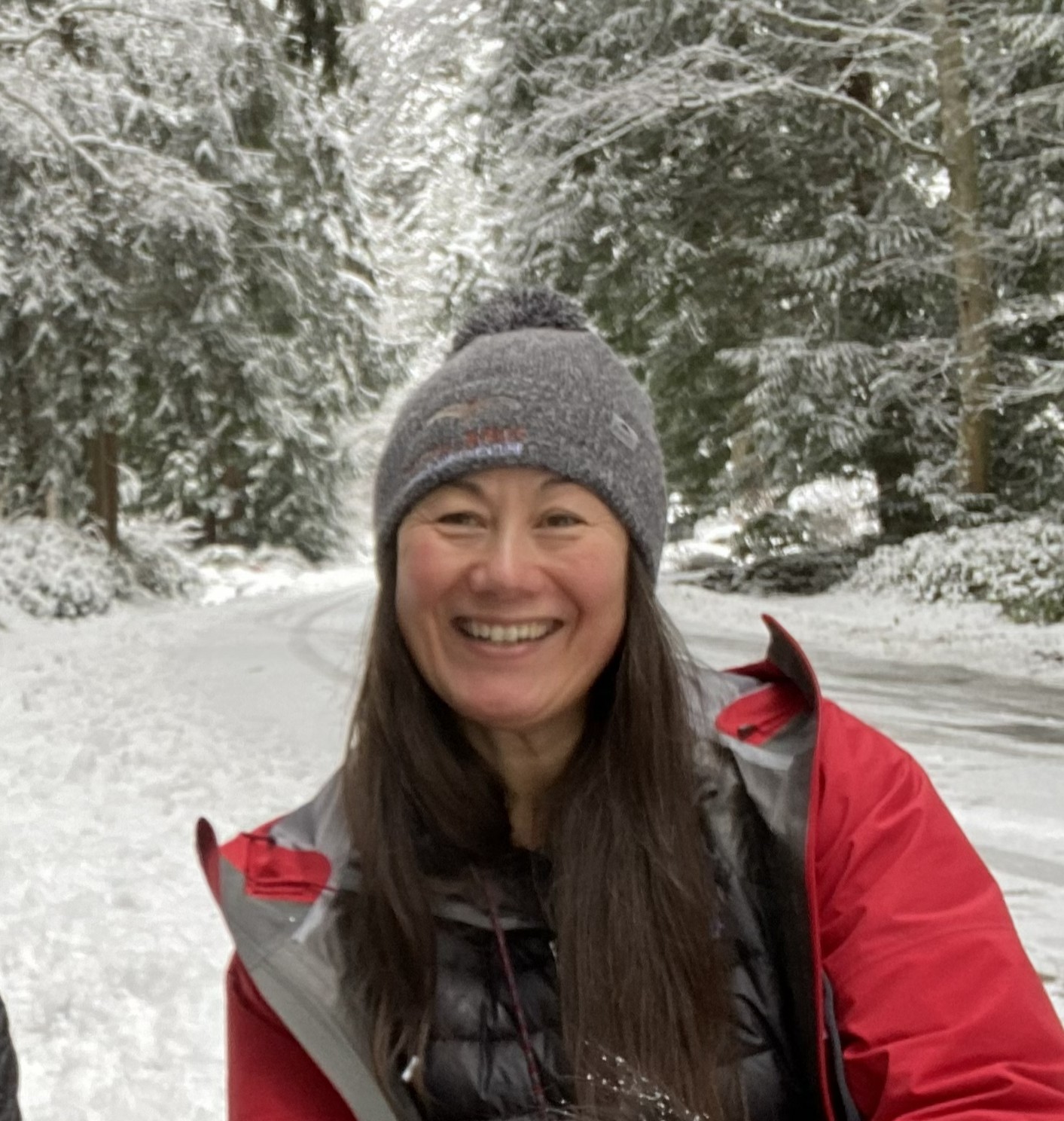
Laura Farwell
Pacific Birds
Dr. Laura Farwell is the Coastal Wetlands Conservation and Science Coordinator at Pacific Birds Habitat Joint Venture. As an ecologist with 20 years of experience in avian research and conservation, she works at the intersection of science, strategy, and collaboration to support sustainable habitat conservation across the northern Pacific Flyway.
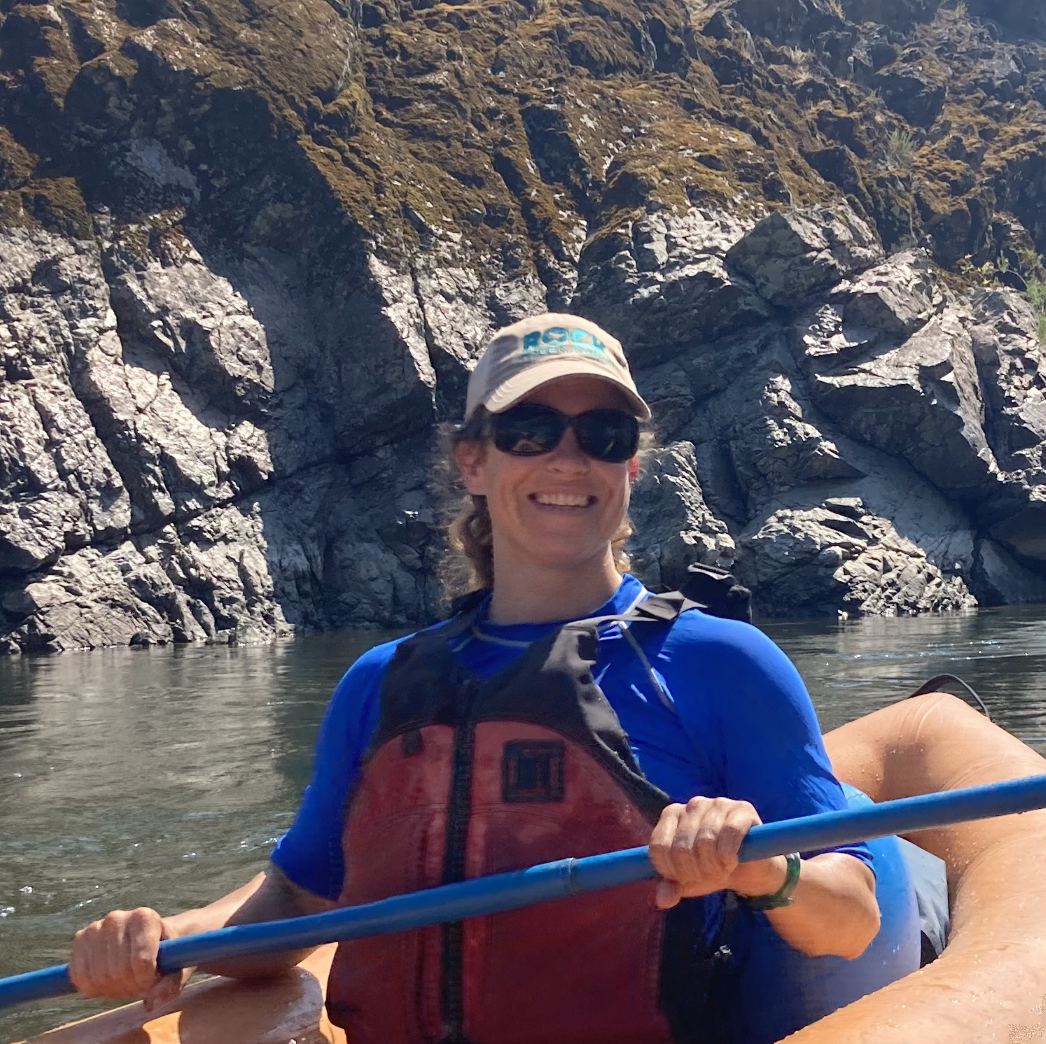
Monica Scholey
Smith River Alliance
Monica Scholey is the Smith River Alliance’s Restoration Program Director and has spent the last six years advancing restoration projects on the Smith Coastal Plain and nearby watersheds. Monica coordinates teams of engineers, partners, agencies, and private landowners to plan, permit, and implement process-based, multi-benefit projects in coastal streams and estuaries. This work is informed by over 10 years of experience in restoration monitoring, implementation, and project management with the Mattole Restoration Council, U.S. Forest Service, AmeriCorps Watershed Stewards Project, and Coos Watershed Association.
Our Effective Estuary Restoration Symposium Series
This is the third year we have hosted this symposium. Previous symposiums have explored tools available to restoration practitioners. Presentations and discussions have covered estuary restoration over time, design criteria, approaches to restoratin blue carbon, monitoring guidance, compiled data available online for planning restoration, and collaborative platforms to share information, methods, and best practices for effective estuary restoration. Case studies from throughout the U.S. West Coast have illustrated the practical use of these tools and examples of methods and techniques to help improve estuary restoratin effectiveness.
Please explore the presentations from our past symposiums below and on our YouTube Channel.
Subscribe to our newsletter HERE to learn about future workshops and symposiums.
May 6, 2025 Symposium
Monitoring Guidance, Data Tools, and Collaborative Platforms
View Symposium Presentations Here
View the March 4th, 2025 Symposium Agenda: Effective Estuary Restoration Virtual Symposium Agenda – Monitoring Guidance, Data Tools, and Collaborative Platforms
This was the third of PMEP’s symposiums exploring tools available to restoration practitioners through presentations including:
- Estuary restoration monitoring guidance
- Compiled data available online for planning restoration
- Collaborative platforms to share information, methods, and best practices
- Case studies illustrating the practical use of available tools
March 4, 2025 Symposium
Blue Carbon and Fish Habitat Restoration
View Symposium Presentations Here
View the March 4th, 2025 Symposium Agenda: Effective Estuary Restoration Virtual Symposium Agenda – Blue Carbon
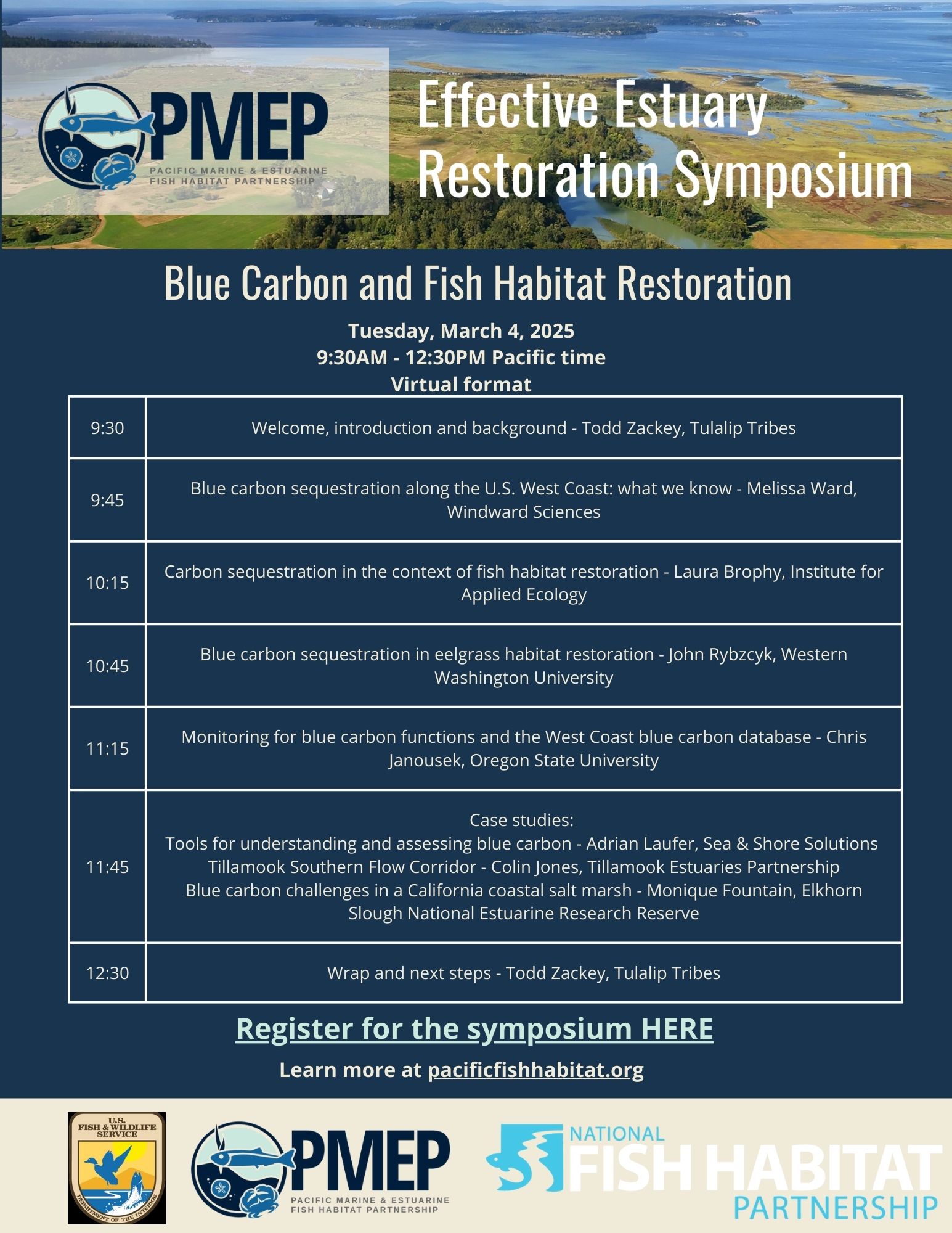
This was the second of PMEP’s symposiums exploring the state of knowledge of blue carbon in estuary restoration through presentations including:
- Knowledge of Blue Carbon sequestration
- Monitoring tools and datasets for blue carbon functions
- Restoration case studies
March 12th, 2024 Symposium
Effective Estuary Restoration Symposium
View Symposium Presentations Here
View the March 12, 2024 Symposium Agenda: Effective Estuary Restoration Virtual Symposium Agenda
This was the first of PMEP’s symposiums exploring a wide range of pressing topics in estuary restoration including:
- Design considerations and restoration methods
- Climate change and estuary restoration
- Monitoring estuary restoration
- Documenting estuary restoration
Hosted by the Pacific Marine & Estuarine Fish Habitat Partnership (PMEP) with generaous support from the U.S. Fish and Wildlife Service